LifeAfter
- 3.5
- Rating
- 10.00M
- Installs
- Free
- Price

 Analysis by App-foxy
LifeAfter is the kind of role-playing game I open when I want more than a quick fight and a reward screen. Its central appeal is making difficult choices in a world where survival depends on preparation, adaptation, and knowing when to walk away. I spent time treating it less like a simple action game and more like a long-running routine: gather what I need, improve my character, judge the danger, and decide whether the next trip is worth the risk.
That approach will not suit everyone. If you prefer a compact adventure with a clear ending, or a game that lets you become powerful without much planning, this can feel demanding. If you enjoy building a personal survival routine and gradually understanding how different activities fit together, it has much more to offer. The free entry point makes it easy to try, although optional purchases ranging from $0.99 to $99.99 per item can affect how comfortable progression feels for different players.
How LifeAfter turns survival into a series of decisions
Developed by NetEase Games, LifeAfter places its role-playing identity around survival rather than a straightforward march from one battle to the next. The important question is rarely only “Can I win?” I also find myself asking whether I have enough supplies, whether the trip is worth the exposure, and whether using a valuable item now will make the next objective harder.
You May Also Like

 Pandora - Music & Podcasts
Pandora’s Music Is Easy to Start, but Harder to Recover
Pandora’s strength is its low-effort path from a seed to a station. Its weak spot is how much confidence it asks you to place in connection, setup, and quiet recovery.

 AccuWeather: Weather Radar
AccuWeather Review: A Quick, Clear Forecast for Everyday Decisions
For everyday plans, the best forecast is the one you can understand quickly. AccuWeather makes rain timing, radar, and local conditions easy to act on, with a few trade-offs.

 Hill Climb Racing
Why Hill Climb Racing Still Turns Crashes Into One More Run
A tiny car, a bumpy hill and one more upgrade: Hill Climb Racing keeps resurfacing because its simple chaos makes every near-miss feel personal.

 AliExpress - Shopping App
AliExpress Makes Global Shopping Feel Personal, but Shoppers Bear the Risk
AliExpress turns a global marketplace into a pocket-sized discovery engine. Its reach is useful, its shopping loop compelling, and its trade-offs easy to miss.

 Lords Mobile: Kingdom Wars
Lords Mobile Is a Kingdom-Building Routine, Not a Quick Match
A case-by-case verdict on the building, battles, device demands, and social commitments that make Lords Mobile rewarding for some players and exhausting for others.

 PDF Scanner app - TapScanner
TapScanner Makes Paperwork Easier to Capture, Check, and Share
TapScanner makes scanning with a phone feel less like a rescue operation and more like a dependable step in getting work done. Its capture tools are useful, though not flawless.
More From Our News Desk
View All News


That decision space gives ordinary tasks more weight. Exploring an unfamiliar area is not just sightseeing, because time spent searching can leave fewer resources for the return journey. Crafting is not merely a menu activity, since choosing one item can mean postponing another. Even when the game presents a familiar objective, I am usually thinking about what it will cost me to complete it rather than simply following an arrow.
One useful habit is to prepare around the purpose of a trip instead of filling my inventory with everything I can carry. When I am collecting materials, I focus on space and efficiency. When I expect combat, I think more carefully about healing, equipment, and what I can afford to lose. This small change makes the game feel less chaotic and helps prevent a common mistake: spending scarce resources on a journey that could have been planned more carefully.
The game also benefits from separating short-term and long-term decisions. A quick upgrade may make the current area easier, but saving materials for a more important improvement can be the better choice. I like that tension because it gives progression a planning horizon. I am not only asking what helps me in the next few minutes; I am considering what kind of survivor I want to become over several sessions.
Why preparation matters more than reflexes
Combat is important, but I would not describe LifeAfter as a game carried entirely by fast reactions. Positioning, equipment choices, and the decision to engage all influence the result. A player who rushes into every encounter can create problems that better aim will not solve. Sometimes the strongest move is to avoid unnecessary danger and preserve supplies for an objective that matters more.
This is where the game differs from a typical action-focused role-playing alternative. In a conventional dungeon crawler, I can often defeat enemies, collect rewards, and repeat the loop with little concern for the cost of failure. Here, the surrounding survival routine makes each expedition feel more connected to the next. The reward is not just experience or loot; it is also returning with enough resources to keep the broader routine moving.
I found it helpful to think in layers. First, I decide what the outing is meant to accomplish. Then I choose equipment that supports that goal. Finally, I leave room for an unexpected problem. That last step is easy to ignore, but it is essential. A plan with no flexibility can collapse when an encounter takes longer than expected or when the environment forces a detour.
Risk, reward, and the cost of overconfidence
The most satisfying moments come from taking a calculated risk rather than gambling blindly. Carrying better equipment may improve my chances, but it can also make a failed trip more painful. Entering a dangerous location may produce more valuable results, yet the safest choice can be to strengthen my setup first. The game repeatedly asks me to define what “worth it” means for my current situation.
I especially notice this when my inventory is nearly full. Continuing to search feels tempting because the next discovery could be useful, but every extra minute increases the chance that I will have to abandon something. Returning early can feel disappointing, but it protects the materials already collected. That is a small example of the game’s broader lesson: survival is often about protecting a good result instead of chasing a perfect one.
Players should also consider how optional purchases fit into their own expectations. The game is free to start, but in-app purchases can become relevant for people who want to accelerate progress or reduce friction. I would approach spending with a fixed personal limit, because the survival loop is most enjoyable when my decisions still feel meaningful. If I could simply buy my way past every inconvenience, some of the tension that makes the game distinctive would disappear.
The mature age rating is another practical consideration. I would not recommend installing it casually on a child’s device just because the download itself costs nothing. The tone, survival pressure, and purchase options make it better suited to mature players who understand both the content and the value of setting spending boundaries.
Adapting instead of repeating the same failed plan
LifeAfter rewards players who treat failure as information. When a trip goes badly, I try to identify the actual cause instead of blaming the entire game. Did I carry the wrong supplies? Did I stay too long? Did I choose a fight that offered little benefit? Did I improve the wrong part of my setup? These questions turn a frustrating setback into a practical adjustment.
That process is more interesting than simply raising a level until the problem disappears. A stronger character helps, of course, but strength does not replace judgment. If I repeat the same route with the same preparation, I am likely to repeat the same mistake. Changing one variable at a time makes it easier to understand what improved the outcome.
For example, I might first shorten an expedition rather than immediately spending materials on a major upgrade. If the shorter trip succeeds, I learn that endurance or inventory management was the problem. If it still fails, I can then look at equipment or combat choices. This method keeps progression from becoming guesswork and gives each session a clear purpose.
The game is also better when I accept that not every activity needs to be completed in one sitting. A realistic evening session might begin with checking what I already have, choosing one resource goal, and making a conservative trip. If I return safely, I can craft or improve my setup before attempting something more ambitious another day. That rhythm works well for players who enjoy gradual progress rather than constant intensity.
What changes as the commitment grows
At first, the appeal is easy to understand: explore, collect, craft, and survive. Over time, the deeper challenge comes from connecting those actions efficiently. I begin to notice which decisions create future flexibility and which ones leave me constantly short of something important. The game becomes less about individual rewards and more about maintaining a stable cycle.
This long-term structure is both a strength and a limitation. It gives dedicated players room to develop routines, but it can feel like work if I am only looking for a quick burst of entertainment. Some sessions are satisfying because I make a meaningful improvement; others are quieter, focused on gathering or preparing. That slower pace is intentional, yet players who prefer constant novelty may find it repetitive.
The progression also asks for patience. A new player may want to pursue every available goal immediately, but the better approach is to establish a reliable base of supplies and understand the value of each trip. I would rather make several modest gains than lose a large amount of progress through one poorly judged expedition. This is not the fastest-feeling approach, but it is the one that keeps the game enjoyable for me.
Version 5.0.737 represents the build I reviewed, and the game has remained a substantial mobile role-playing option since its release on December 17, 2018. Its longevity is reflected in a community of over 10 million installs, while its average rating sits at 3.5 from around 578 thousand ratings. Those figures suggest a game with a large audience but also divided opinions, which matches my experience: the survival foundation is distinctive, yet its demands will not fit every player.
The minimum operating-system requirement is Android 4.1, making the stated compatibility broad. Even so, I would judge the experience by the device’s practical performance rather than the requirement alone. A survival game becomes much less enjoyable when loading, controls, or extended sessions feel uncomfortable. Players using older hardware should try a short session first and decide whether the game remains responsive enough for careful exploration.
Who should choose it, and who should skip it
I would recommend LifeAfter to players who enjoy planning, resource management, and the feeling that preparation changes the outcome. It is a good fit if you like role-playing games where your routine matters as much as your combat ability. It also suits people who enjoy returning to a game over time, gradually refining how they gather, craft, explore, and recover from mistakes.
I would skip it if I wanted a self-contained story that could be completed in a few focused hours. I would also choose a more traditional action role-playing game if my priority were immediate combat, constant rewards, and minimal inventory decisions. Players who dislike free-to-play pressure should be cautious as well. Even when I can enjoy the core loop without spending, the presence of paid items means I need to manage expectations and avoid treating every shortcut as necessary.
Compared with a standard survival sandbox, LifeAfter feels more directed by its role-playing structure and progression goals. Compared with a conventional mobile RPG, it asks more from me between battles. The best comparison is not a single alternative but a blend: it has the preparation concerns of survival games, the character development of role-playing games, and the repeated-session structure common to free mobile titles. That combination is precisely what makes it distinctive, but it also explains why it can feel busy.
My strategy verdict after living with the routine
My strongest recommendation is to play with a plan, not with urgency. Choose one objective for a session, carry supplies that support it, and leave before a successful trip turns into an unnecessary gamble. Keep a reserve for recovery and future crafting instead of converting every material into an immediate upgrade. Most importantly, treat setbacks as clues about your preparation rather than invitations to repeat the same approach.
The real strength of LifeAfter is the connection between small choices and long-term survival. A decision that seems minor during one outing can affect what I can craft, where I can go next, and how confidently I approach a harder objective. That chain gives the game more strategic texture than its store summary suggests.
NetEase Games has built a free role-playing experience that asks for patience and personal discipline. Its 17+ content rating, optional purchases, slower planning rhythm, and occasional friction make it a poor match for players seeking a simple, relaxing mobile game. For me, though, the careful balance between risk and preparation is worth learning. I recommend trying it if you want a survival adventure where returning safely can feel like a victory in itself.
LifeAfter is best approached as a long-term habit rather than a disposable download. Give it time to show how its systems connect, set sensible spending limits, and resist the urge to turn every expedition into a test of courage. With that mindset, it offers a thoughtful alternative to faster, more predictable mobile role-playing games.
FAQs for LifeAfter
01What is LifeAfter, and what kind of game is it?
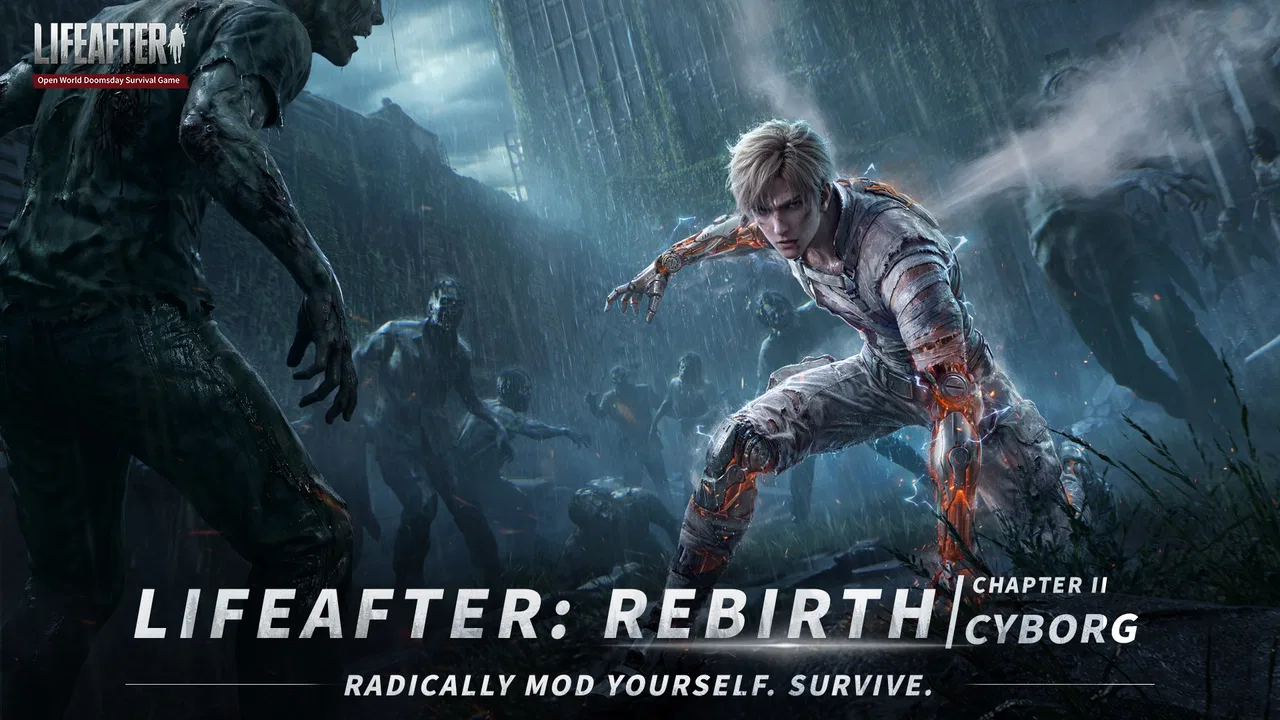
LifeAfter is a free-to-play online survival game for Android and iOS. You explore a post-apocalyptic world affected by a deadly virus, gather resources, craft equipment, build shelters, complete missions, and fight infected creatures and hostile players. It combines survival mechanics with role-playing, base building, exploration, and multiplayer features, so progressing involves both individual decisions and cooperation with other players.
02Can LifeAfter be played offline?
No. LifeAfter requires a consistent internet connection because it is built around online servers, shared areas, events, social systems, and multiplayer gameplay. You cannot access the complete game offline. A stable Wi-Fi or mobile data connection is recommended, especially during exploration and combat, since interruptions may cause loading problems, disconnections, or lost progress during active missions.
03Is LifeAfter free to download and play?
LifeAfter can be downloaded and played for free, but it includes optional in-app purchases. These purchases may provide premium currency, cosmetic items, convenience features, event rewards, or progression-related advantages. You can enjoy the main survival experience without spending money, although some players may find progression slower without purchases. Parents should also review device payment settings before allowing children to play.
04Does LifeAfter support multiplayer and cooperative gameplay?
Yes. Multiplayer is an important part of LifeAfter. Players can join camps, communicate with others, complete missions together, share resources, defend locations, and participate in competitive activities. Cooperation can make difficult areas and powerful enemies easier to handle, while camp membership adds social progression. However, some online interactions may involve experienced players, competitive pressure, or communication with strangers.
05What devices and permissions does LifeAfter require?
LifeAfter is a demanding 3D online game, so performance depends on your phone or tablet’s processor, memory, graphics capability, storage space, and operating-system version. The game may require a large download and additional updates after installation. It can also consume considerable battery and mobile data. For the best experience, use a modern device, keep sufficient free storage available, and install updates through Wi-Fi when possible.
Pros
- Large open world with plenty of areas to explore and secrets to uncover.
- Frequent events and updates help keep the survival experience fresh.
- Strong social features
- including camps
- teams
- and cooperative missions.
- Detailed crafting system lets you create weapons
- tools
- armor
- and supplies.
- Atmospheric graphics and sound design create a convincing post-apocalyptic world.
Cons
- Requires significant storage space and may run poorly on older devices.
- Progress can feel grind-heavy when collecting materials or upgrading equipment.
- Energy
- stamina
- and other limits may interrupt longer play sessions.
- Competitive modes can favor players who spend money on upgrades and resources.
- The many systems and menus may feel overwhelming for new players.

LifeAfter
Gallery